Why Center-Bore Cant Matters on a Bolt-Action Rifle

Technical Resources

Share:

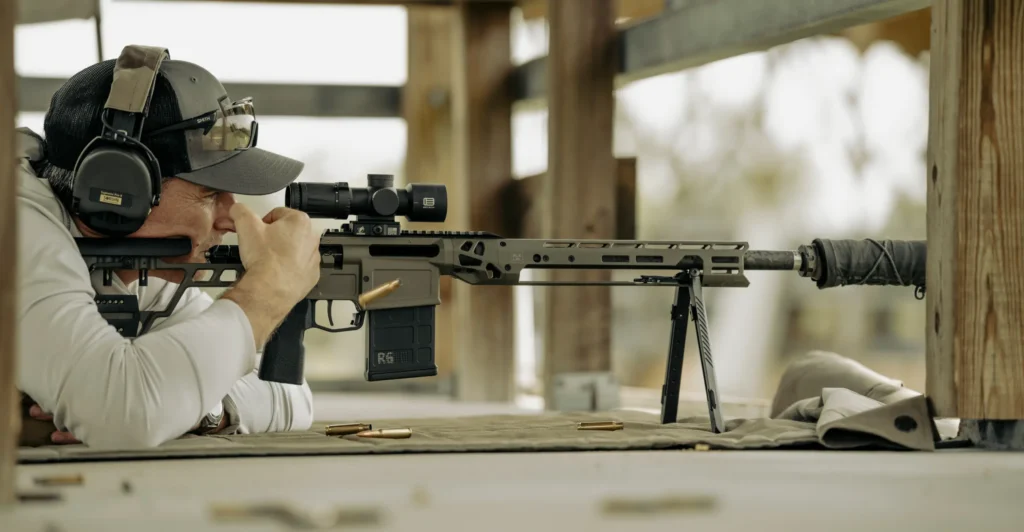
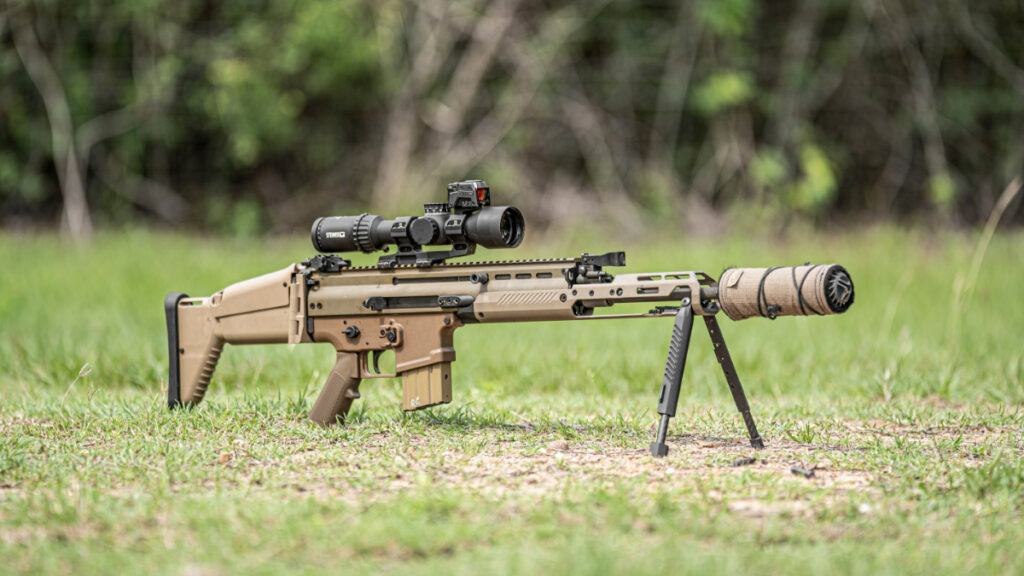
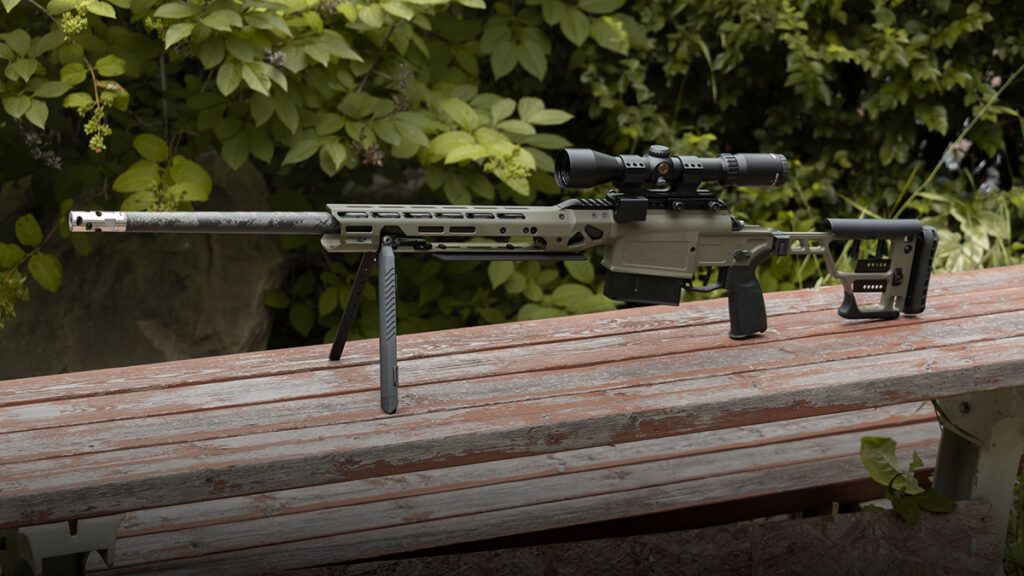
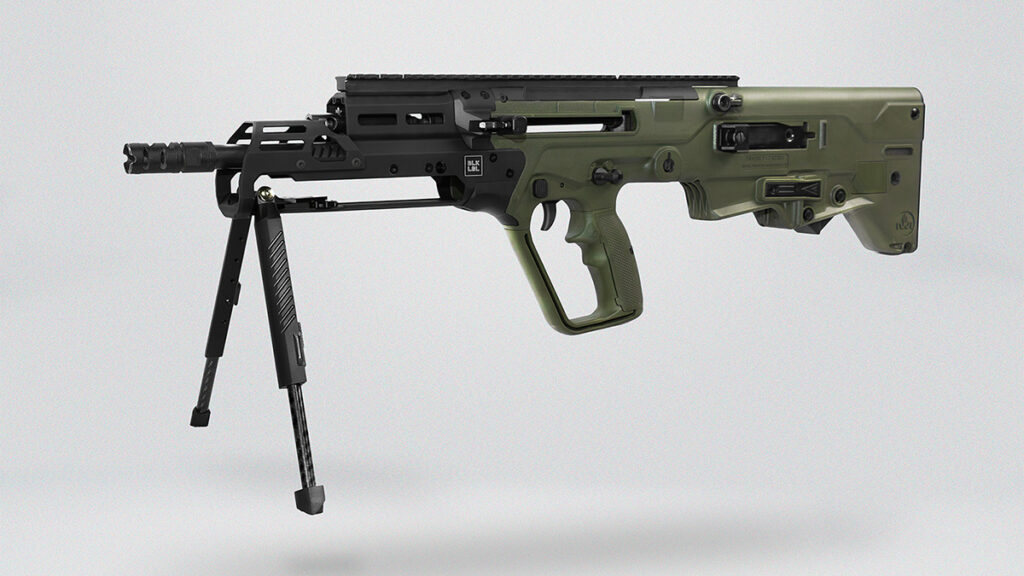
Why does center-bore cant matter on a bolt-action rifle like the SIG Cross? Learn how rotating the bipod around the bore axis—rather than an offset pivot below it—keeps recoil traveling straight back, reduces optic movement, and helps the rifle level naturally on uneven terrain. Discover why BLK LBL's tool-less, center-bore cant system delivers more predictable recoil behavior and shot-to-shot consistency than traditional rail-mounted bipods.
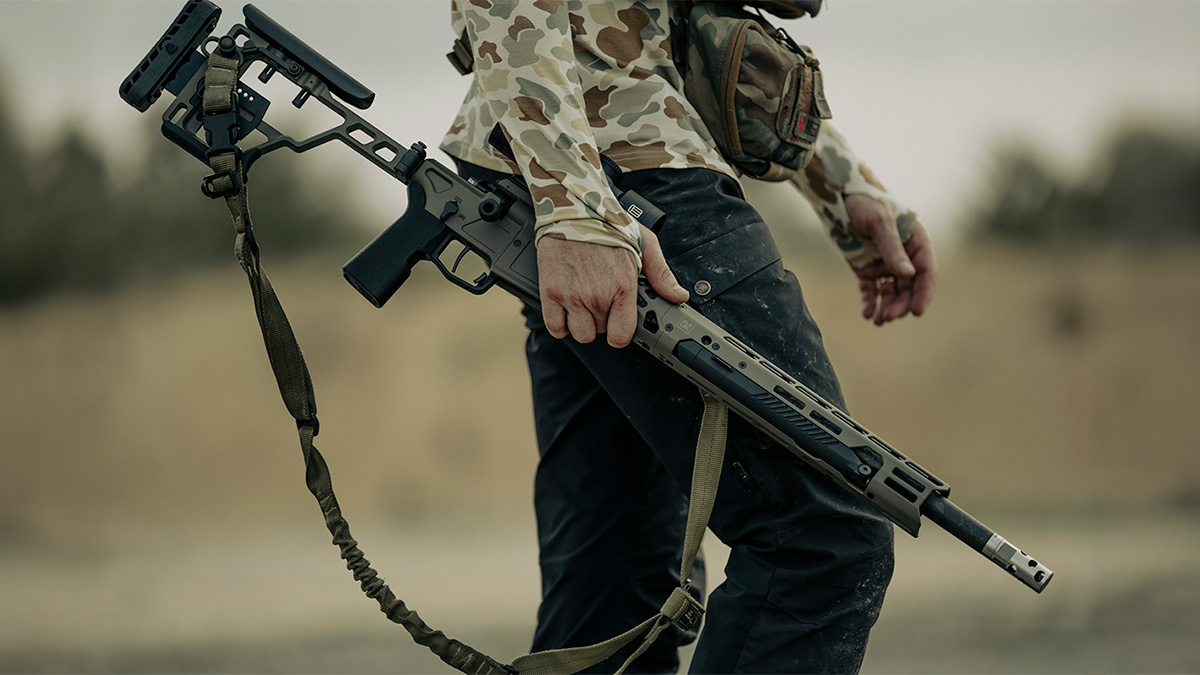
Why Center-Bore Cant Matters on a the Sig Cross Bolt-Action Rifle

When shooters talk about bipod cant, the conversation usually stops at “it helps you level the rifle.” 
That’s true, but on a bolt-action rifle like the SIG Crosshow that cant is implemented matters far more than most realize. 

Center-bore cant is a mechanical advantage that directly affects stability, recoil behavior, and consistency shot to shot. 

What Is Cant — and Why Do Most Bipods Get It Wrong?

Cant adjustment refers to the bipods ability to rotate slightly left or right to level the scope reticle when shooting on uneven terrain. 

Most traditional bipods achieve cant by pivoting on an axle below the bore line, typically at the mounting point under the handguard. While functional, this creates an offset rotation that introduces unwanted movement and uneven force during recoil. 

On a lightweight precision rifle like the SIG Cross, those small inconsistencies add up.

Center-Bore Cant Explained

With center-bore cant, the bipod allows the rifle to rotate around the axis of the bore itself, not below it. 

This means: 

  • The rifle levels naturally without shifting off target 
  • Recoil travels straight back instead of diagonally 
  • The optic moves less through the recoil cycle 

The BLK LBL SIG Cross Bipod is engineered around this principle, allowing up to 30 degrees of cant aligned directly with the bore. 

Why Center-Bore Cant Is Especially Important on a Bolt Action

Bolt-action rifles reward consistency. Any lateral movement during recoil can affect: 

  • Sight picture recovery 
  • Follow-up shots 
  • Spotting impacts through the optic 

With a center-bore cant system, recoil energy stays linear. The rifle doesn’t “roll” around an offset pivot point, which helps maintain stability, especially when shooting from improvised field positions. 

Better Performance on Uneven Terrain

Real-world shooting rarely happens on perfectly level ground. 

Center-bore cant allows the rifle to: 

  • Settle naturally on uneven surfaces 
  • Maintain even leg pressure on both sides 
  • Reduce torque against the handguard and mounting points 

This leads to a more stable shooting platform with less effort from the shooter. 

Reduced Shooter Input, Increased Consistency

Because the rifle levels more naturally, shooters don’t need to fight the bipod or preload awkwardly to stay on target. 

Benefits include: 

  • Less muscle tension behind the rifle 
  • More consistent body alignment 
  • Improved shot-to-shot repeatability 

On a precision-focused platform like the SIG Cross, that consistency matters. 

Sig Cross Bipod

How BLK LBL Implements Center-Bore Cant

Rather than adapting the standard bipod cant design with an axle and plastic tension handle like most others, BLK LBL engineered a novel cant system as part of the handguard itself. 

Key advantages: 

  • Cant axis aligned with the bore 
  • Tool-less tension adjustment 
  • No exposed pivots or external hardware 
  • Smooth movement without slop or binding 

The result is a system that feels deliberate and controlled. 

The Takeaway

Center-bore cant isn’t just a feature, it’s a design philosophy. 

For bolt-action rifles like the SIG Cross, it delivers: 

  • More predictable recoil behavior 
  • Better leveling on uneven terrain 
  • Increased stability with less shooter input 

It’s one of the reasons the BLK LBL SIG Cross Bipod performs differently than traditional rail-mounted bipods, and why shooters notice the difference immediately behind the rifle. 

See our SIG Cross Pillar Overview for full specifications, performance breakdowns, and supporting technical resources.

BLK LBL Platform Guides

Scroll to Top

MENU